

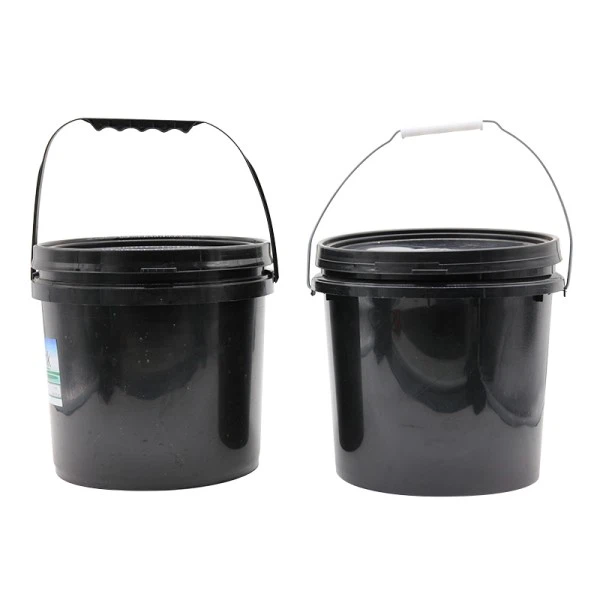
Uv Inks Screen Printing
UV screen printing ink is an environmentally friendly ink that cures quickly through ultraviolet radiation. Its core components include photoinitiators, prepolymers, monomers, pigments and additives. Compared with traditional solvent-based inks, UV inks do not contain volatile organic compounds (VOCs), do not require heating during the curing process, consume less energy and are more efficient.
- Fast Delievery
- Quality Assurance
- 24/7 Customer Service
Product Introduction
Key components:Photoinitiator: generates active free radicals or cations after absorbing UV light, initiating polymerization.
Prepolymer (such as epoxy acrylate): determines the adhesion, flexibility and chemical resistance of the ink.
Monomer: adjusts viscosity, affects curing speed and ink film performance.
Pigment: provides color and hiding power, and needs to be compatible with UV curing system.
1. Fast curing and environmental protection
UV ink can be cured within seconds under ultraviolet light, greatly improving production efficiency. Its curing process does not volatilize solvents, meets environmental protection requirements, and is suitable for food packaging, electronic products and other fields that are sensitive to VOC.
2. Excellent physical properties
High scratch resistance: suitable for products that need to be used for a long time (such as mobile phone cases, metal signs).
Wide material adaptability: can be printed on a variety of substrates such as plastic, glass, metal, paper, etc., and has strong adhesion.
Thixotropy: The viscosity of the ink decreases under the action of shear force, which is convenient for screen ink passing; when it is stationary, it restores high viscosity to prevent the spread of dots.

Key technical parameters in screen printing process
1. Screen selection
Mesh count: High mesh count (such as 355 mesh or above) can reduce dot expansion and improve printing accuracy, suitable for fine patterns; low mesh count is suitable for large-area color block printing.
2. Ink viscosity control
Low viscosity can easily lead to dot diffusion, which needs to be adjusted by adding monomers or thixotropic agents. Experiments show that the viscosity of 3000-5000 mPa·s balances printability and resolution.
3. Curing equipment
UV light source type: Mercury lamp (full band) is suitable for most inks; UV-LED (specific wavelength) is energy-saving and has a long life, but it needs to match the absorption peak of the ink's photoinitiator.
Irradiation intensity and time: The typical parameters are 80-120 mJ/cm², which needs to be adjusted according to the thickness of the ink layer.
FAQ:
What is the shelf life of UV resistant screen printing inks?
Factors Affecting Shelf Life
Ink Components
Resin Type: Different resins have varying chemical stabilities. For example, UV - resistant screen - printing inks based on acrylic resin usually have good stability, with a relatively long shelf life of 1 - 2 years. In contrast, some resins containing special functional groups or active ingredients may undergo slow chemical reactions over time, leading to performance degradation and a shorter shelf life of about 6 - 12 months.
Additives: Various additives are added to improve the UV resistance, drying speed, and adhesion of inks. Some additives, like certain photo - initiators, may decompose during long - term storage, affecting the ink's curing performance and shortening the shelf life.
Storage Conditions
Temperature: Temperature significantly impacts the ink's shelf life. High temperatures accelerate chemical reactions in the ink, causing it to thicken, clump, or deteriorate. Ideally, inks should be stored in a cool environment at 5 - 25°C. If the storage temperature often exceeds 30°C, the shelf life may be halved or more. Conversely, low temperatures may cause crystallization or stratification, affecting performance.
Humidity: A high - humidity environment can cause the ink to absorb moisture, changing its viscosity, affecting printing quality, and potentially triggering hydrolysis reactions that reduce ink quality. The relative humidity of the storage environment should be kept between 40% - 70%.
Light Exposure: Although UV - resistant screen - printing inks are designed to resist UV rays, prolonged exposure to strong light, especially intense UV light, can still initiate photochemical reactions in the ink, accelerating its aging. Therefore, inks should be stored in a dark place, preferably in dark - colored containers.
Hot Tags: uv inks screen printing, China uv inks screen printing manufacturers, suppliers, factory, uv plastisol ink, black light ink screen printing, uv Paper tray screen printing ink, uv color changing ink, UV Curable Screen Printing Inks, UV screen printing ink for metal


