
Water Based Screen Printing Ink
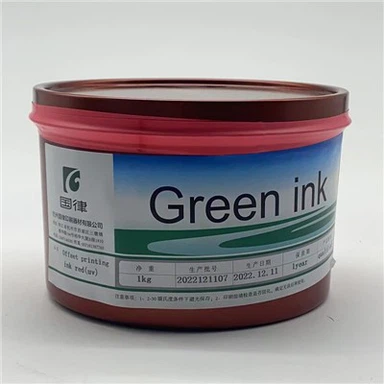
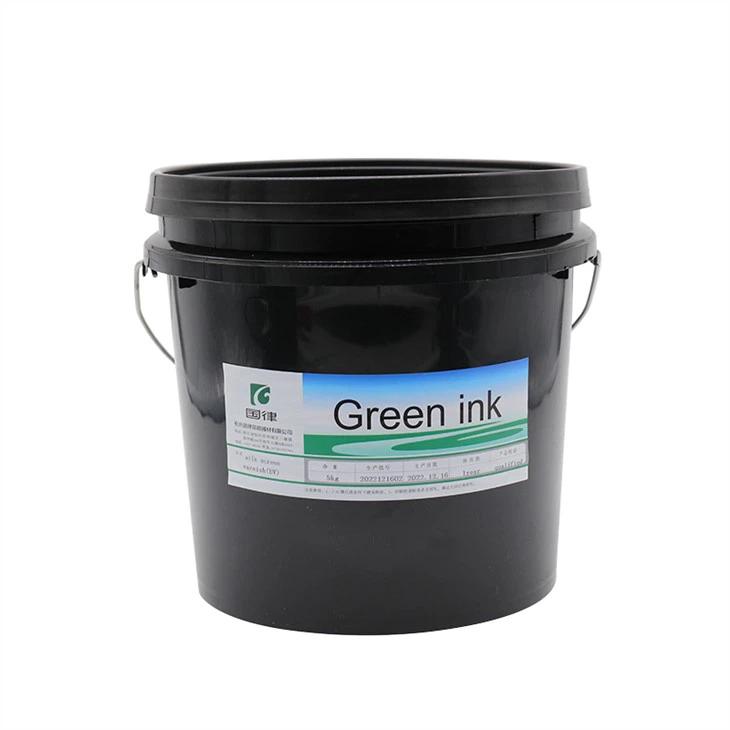
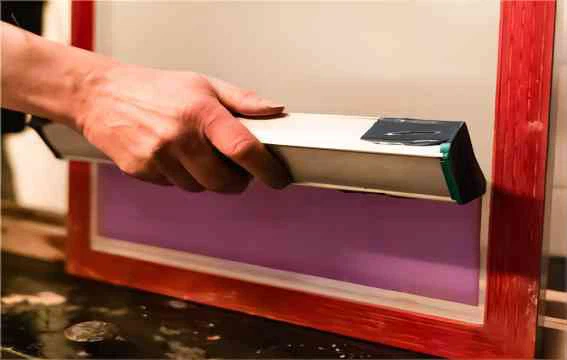
Water based screen printing ink is a type of ink used in screen printing to create a variety of prints and designs on different materials. It is usually composed of pigment, binder, and emulsifier, and can be used to print on paper, fabric, metal, glass, and other surfaces.
- Fast Delievery
- Quality Assurance
- 24/7 Customer Service
Product Introduction
Products Description
Water based screen printing ink is a type of ink used in screen printing to create a variety of prints and designs on different materials. It is usually composed of pigment, binder, and emulsifier, and can be used to print on paper, fabric, metal, glass, and other surfaces.Water based printing ink has a number of advantages over other types of inks. One of the most notable is that it is much less toxic and hazardous to use than other types of inks. This makes it safer for both workers and the environment.In addition, water based inks are much easier to clean up than other types of inks. It can be easily washed off of surfaces and does not require the use of harsh chemicals. This makes it simpler and more cost effective to use.Water based screen printing ink is also much more versatile than other types of inks. It can be used to create a variety of effects and prints on a wide range of materials, including paper, fabric, metal, glass, and more. It can also be used to create a range of different colors, from light pastels to bold primary colors.
Products Advantages

Finally, water based inks are much more economical than other types of inks. They are often much less expensive to purchase and use, making them a great choice for those on a budget.

Water screen printing ink is a great choice for anyone looking for an affordable, safe, and versatile way to create unique prints and designs on a range of materials. Its low toxicity, easy clean-up, and affordability make it an attractive choice for both professional and amateur printers alike.
Other products of our company

Pigment paste is a concentrated dispersion of pigments in a liquid carrier, often water or a solvent. It serves as a colorant and can be added to various products to impart color, opacity, and vibrancy. Pigment pastes are used in a wide range of industries.

Uv Reactive Printer Ink:
UV reactive printer ink is a specialized type of ink that is responsive to ultraviolet (UV) light. It remains invisible or translucent under normal lighting conditions but fluoresces or changes color when exposed to UV light. This ink is often used for security, decorative, or promotional purposes.

Water Based Ink Flexo Printing:
Water based ink for flexographic (flexo) printing is an eco-friendly ink formulation that uses water as its primary solvent. It is commonly used in the flexographic printing process, which is known for its high-speed printing capabilities and versatility on a variety of substrates.

Screen Printing Ink:
Screen printing ink is a type of ink formulated for use in screen printing, a versatile printing technique that can be applied to various surfaces, including paper, fabric, plastics, glass, and metal. Screen printing ink is designed to flow smoothly through a fine mesh screen onto the substrate, creating vibrant and durable prints.

Uv Offset Inks:
UV offset inks are a type of ink formulation used in offset printing, a high-quality and widely-used printing process. These inks are formulated to be cured (dried) instantly or near-instantly when exposed to ultraviolet (UV) light. The rapid curing process makes UV offset inks suitable for high-speed printing and a variety of substrates.
Water Based Varnish Satin:
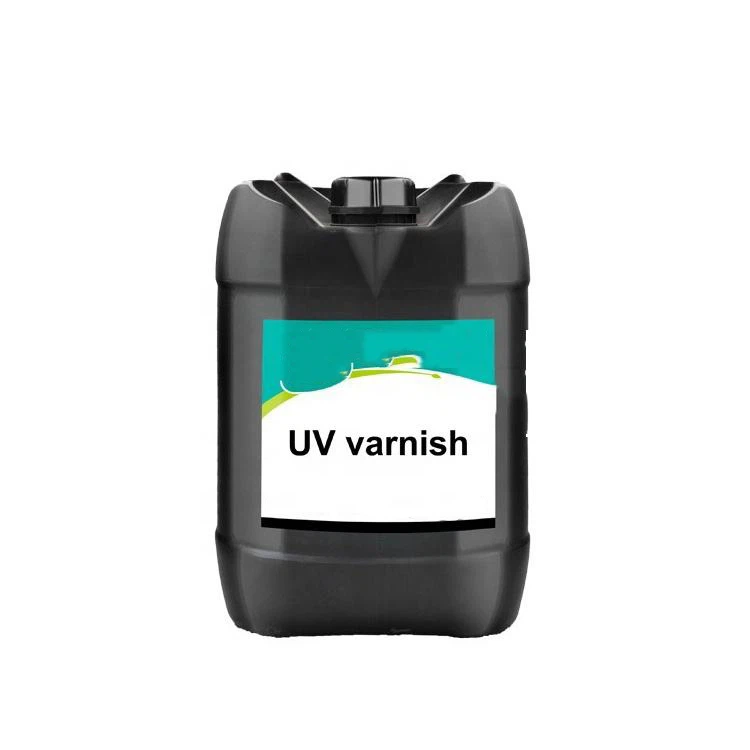
Water based varnish satin is a type of protective coating used in the finishing of printed materials. It is formulated as a water-based varnish with a satin or semi-gloss finish. Unlike traditional solvent-based varnishes, water-based varnishes use water as a primary solvent, making them more environmentally friendly and safer to handle.
Products Applications

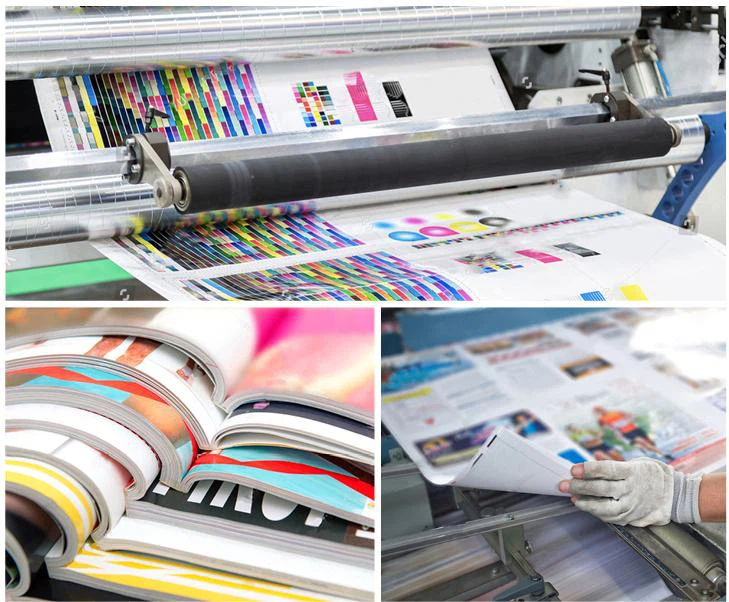
Commercial Printing
Fine Art Printing

Packaging
Wallpaper and Wall Murals
Digital Printing
Signage and Banners
Packaging Prototypes
Educational Materials
1. Oil-Based Screen Printing Ink:
Oil based screen printing inks are often chosen for their durability and versatility. They are frequently used in textile printing, creating vivid designs on fabrics such as t-shirts, apparel, and promotional items. Additionally, they are employed for printing on paper, plastic, and various substrates that require long-lasting, opaque prints.
2. Flexographic Printing Ink:
Flexographic printing inks are widely utilized in the packaging industry. They are ideal for printing on materials like corrugated cardboard, labels, flexible packaging, and even newspapers. Their fast-drying nature and ability to adhere well to various surfaces make them a top choice for high-speed, high-volume printing applications.
3. Water-Based Screenprinting Ink:
Water based screenprinting inks are a go-to option for environmentally conscious printing. They are commonly used in textile printing, especially on light-colored garments, where a soft hand feel and eco-friendliness are important. Water-based inks are also suitable for printing on paper and cardboard.
4. Water-Based Acrylic Ink:
Water based acrylic inks find application in various artistic and commercial printing projects. They are frequently used for screen printing posters, art prints, and paper products due to their vibrant colors, ease of cleanup, and reduced environmental impact.
5. UV Print Ink:
UV print inks are utilized in a range of applications, including direct-to-substrate printing. They are commonly employed in the signage industry for creating durable outdoor signs, banners, and vehicle wraps. UV inks are known for their ability to cure instantly when exposed to ultraviolet light, making them suitable for both indoor and outdoor applications.
6. UV LED Ink Curing:
UV LED ink curing is used in conjunction with UV inks. It offers the advantage of lower energy consumption and heat generation. This technology is often found in wide-format digital printers and label printing machines where precision and speed are essential.
7. UV Flexo Ink:
UV flexo inks are particularly well-suited for flexible packaging printing. They are used to print on materials like plastic films, paper, and labels. UV flexo inks provide excellent print quality, color consistency, and resistance to abrasion.
8. Flexo Ink Printing:
Flexographic (flexo) printing is a versatile method commonly used for packaging materials, labels, newspapers, and corrugated cardboard. Flexo inks are chosen for their ability to deliver consistent, high-speed printing with a wide color gamut.
After-Sales Service
Our dedicated team connects with customers to understand their specific needs. For unique quality or functional requirements, our two R&D teams work diligently to meet them. During production, we maintain ISO9000-certified quality control to ensure every product meets high-quality standards. We follow ISO14000 and SGS guidelines for environmentally responsible manufacturing.We keep customers informed about production progress and offer complete sales services after delivery. Our professional service teams provide equipment installation, operator training, and maintenance services as needed.

We also offer annual insurance plans for remote and on-site service support.For printing material products like ink, accessories, and testing equipment, we provide tailored use training, operation manuals, and instructions. We offer remote technical support and compatibility testing for printing ink and substrates. Our company conducts professional training courses for testing equipment, lasting four working days, with certificates issued upon completion. On-site technician support is available when needed.
FAQ
What is UV ink, and how does it differ from water-based ink?
Are UV inks suitable for food packaging printing?
How does the curing process of UV ink work?
What are the environmental benefits of using water-based inks?
Can UV ink be used for outdoor signage?
What safety precautions are necessary when handling UV inks?
Are water-based inks compatible with a wide range of substrates?
What is the typical drying time for UV ink?
How does UV ink contribute to energy savings in printing?
Are water-based inks odorless compared to solvent-based inks?
What is the shelf life of UV ink compared to water-based ink?
Can UV ink be used for printing on flexible packaging materials?
Are there any regulatory considerations for using water-based inks in certain applications?
What kind of printing equipment is commonly used with UV inks?
Are there any limitations to the color range achievable with UV ink?
How does UV ink affect the recyclability of printed materials?
What types of industries prefer using water-based inks?
Can UV ink be used for high-speed printing applications?
Are there any health concerns associated with inhaling fumes from UV inks?
How does the cost of UV ink compare to water-based ink in the long run?
What are the key differences in the printing process when using UV ink versus water-based ink?
Are there any specific requirements for disposing of UV ink waste?
Can water-based inks achieve the same level of adhesion as UV inks on various substrates?
How does UV ink contribute to improved print quality?
Does water-based ink require any special equipment for printing?
What is UV ink, and how does it differ from water-based ink?
UV ink is an ink formulation that cures rapidly when exposed to ultraviolet (UV) light. This curing process involves a chemical reaction that transforms the liquid ink into a solid, durable layer. UV inks differ from water-based inks primarily in their curing mechanism; UV inks cure through photopolymerization, while water-based inks dry through evaporation.
Are UV inks suitable for food packaging printing?
Yes, UV inks can be suitable for food packaging printing when they meet specific regulatory requirements. UV inks are used in food packaging because they provide fast curing, which ensures the safety of the printed material. However, UV ink formulations must comply with food safety regulations to be considered suitable for this application.
How does the curing process of UV ink work?
UV ink curing is achieved through photopolymerization. When UV light is applied to the ink, photoinitiators within the ink absorb the UV energy, initiating a chemical reaction that transforms the liquid ink into a solid, adherent layer. This rapid curing process contributes to the ink's durability and suitability for various substrates.
What are the environmental benefits of using water-based inks?
Water-based inks offer several environmental benefits, including lower levels of volatile organic compounds (VOCs), reduced emissions, and minimal odor. They are considered more environmentally friendly compared to solvent-based inks. Additionally, water-based inks have lower levels of hazardous air pollutants, making them a greener choice.
Can UV ink be used for outdoor signage?
Yes, UV ink can be used for outdoor signage. It provides excellent resistance to fading, moisture, and UV radiation, making it a durable choice for outdoor applications. UV ink's rapid curing also ensures that outdoor signs can be produced quickly and efficiently.
What safety precautions are necessary when handling UV inks?
Handling UV inks requires safety precautions, including wearing appropriate personal protective equipment (PPE), such as gloves and safety glasses, to minimize skin and eye contact. Adequate ventilation is essential to prevent inhaling fumes. UV light exposure should be minimized, and operators should follow manufacturer guidelines for safe use.
Are water-based inks compatible with a wide range of substrates?
Yes, water-based inks are known for their versatility and compatibility with various substrates, including paper, cardboard, fabric, and some plastics. They are used in a wide range of printing applications due to their ability to adhere to diverse surfaces.
What is the typical drying time for UV ink?
UV ink has an extremely fast drying time, often curing within seconds after exposure to UV light. This rapid curing allows for high-speed printing and efficient production processes.
How does UV ink contribute to energy savings in printing?
UV ink's rapid curing process reduces the need for energy-intensive drying methods like ovens or heat lamps, leading to significant energy savings in the printing process. This contributes to overall energy efficiency and cost reduction.
Are water-based inks odorless compared to solvent-based inks?
Yes, water-based inks are typically odorless or have a minimal odor compared to solvent-based inks, which can emit strong and potentially harmful fumes. This makes water-based inks a more pleasant and environmentally friendly choice, especially in indoor printing environments.
What is the shelf life of UV ink compared to water-based ink?
The shelf life of UV ink is generally longer than that of water-based ink. UV ink is stored in opaque containers to prevent exposure to UV light, which could prematurely cure the ink. When stored properly, UV ink can have a shelf life of several months to a few years. In contrast, water-based ink typically has a shorter shelf life, usually ranging from six months to a year, depending on environmental conditions and formulation.
Can UV ink be used for printing on flexible packaging materials?
Yes, UV ink can be used for printing on flexible packaging materials, such as plastic films and pouches. UV ink's ability to adhere well to various substrates and its fast curing make it suitable for flexible packaging applications, where durability and high-quality printing are essential.
Are there any regulatory considerations for using water-based inks in certain applications?
Yes, there can be regulatory considerations when using water-based inks, especially in applications like food packaging. It's crucial to ensure that the specific formulation of water-based ink being used complies with food safety regulations. Additionally, some industries may have regulations related to emissions and environmental impact, which could affect the choice of ink.
What kind of printing equipment is commonly used with UV inks?
UV inks are compatible with various printing equipment, including offset printers, flexographic printers, digital printers, and screen printers. UV ink's rapid curing makes it suitable for both sheet-fed and web-fed printing processes.
Are there any limitations to the color range achievable with UV ink?
UV ink can achieve a wide color range, including vibrant and saturated colors. However, it may have some limitations in achieving certain specialty or custom colors due to the nature of the pigments and dyes used in UV ink formulations. Custom color matching may be required for specific applications.
How does UV ink affect the recyclability of printed materials?
UV ink can affect the recyclability of printed materials to some extent. While UV inks are not inherently problematic for recycling, the curing process can create a thin, tough layer on the surface of materials that might impact the recycling process. It's essential to consider recyclability when choosing UV ink formulations.
What types of industries prefer using water-based inks?
Industries that prioritize eco-friendliness and reduced environmental impact often prefer water-based inks. This includes industries such as packaging, food and beverage, cosmetics, textiles, and printing for sensitive applications like pharmaceuticals.
Can UV ink be used for high-speed printing applications?
Yes, UV ink is well-suited for high-speed printing applications due to its rapid curing process. It enables printers to achieve high production speeds while maintaining print quality.
Are there any health concerns associated with inhaling fumes from UV inks?
Inhaling fumes from UV inks can pose health risks, as these inks may contain volatile components and photoinitiators. Adequate ventilation and the use of appropriate personal protective equipment (PPE) are essential to minimize health concerns for operators working with UV inks.
How does the cost of UV ink compare to water-based ink in the long run?
The cost of UV ink can be higher initially due to the need for UV curing equipment and higher ink prices. However, in the long run, UV ink can be cost-effective because of its rapid curing, which reduces energy consumption and increases production efficiency. The overall cost depends on factors such as ink consumption, substrate, and printing volume.
What are the key differences in the printing process when using UV ink versus water-based ink?
The key differences in the printing process between UV ink and water-based ink include curing, drying, and equipment. UV ink cures instantly under UV light, allowing for high-speed printing and minimal drying time. Water-based ink relies on evaporation for drying, which can be slower. UV printing requires UV lamps or LED curing systems, while water-based ink uses conventional drying methods.
Are there any specific requirements for disposing of UV ink waste?
Disposing of UV ink waste should follow local environmental regulations. UV ink waste may contain hazardous materials, and proper disposal methods, such as recycling or disposal through licensed waste management facilities, should be followed to minimize environmental impact and health risks.
Can water-based inks achieve the same level of adhesion as UV inks on various substrates?
Water-based inks can achieve strong adhesion on various substrates, but UV inks often offer superior adhesion due to their ability to create a chemical bond with the substrate during curing. The choice between the two depends on the specific substrate and printing requirements.
How does UV ink contribute to improved print quality?
UV ink contributes to improved print quality by providing sharper, more vibrant colors with a glossy finish. The instant curing of UV ink prevents ink spread, resulting in fine details and better color consistency. UV ink's ability to sit on the surface of substrates allows for enhanced color brilliance.
Considerations for choosing between UV and water-based inks include substrate compatibility, desired print quality, curing or drying requirements, environmental impact, regulatory compliance, and budget constraints. UV inks excel in high-speed, high-quality printing, while water-based inks are favored for eco-friendly and versatile applications. The choice depends on the specific needs of the project and the printing process.
Does water-based ink require any special equipment for printing?
Water-based ink is commonly used in various printing applications, including screen printing, flexographic printing, and even some digital printing methods. It offers several advantages such as being environmentally friendly, low in volatile organic compounds (VOCs), and easily cleanable with water. However, using water-based ink does require some considerations and, in some cases, special equipment for optimal results.
Hot Tags: water based screen printing ink, China water based screen printing ink manufacturers, suppliers, factory, Water Based Screen Printing Ink, Screen Printing Ink, Water based screen printing ink with special effect, Water Based Screen Printing Ink for Paper, water based screenprinting ink, gold water based screen printing ink