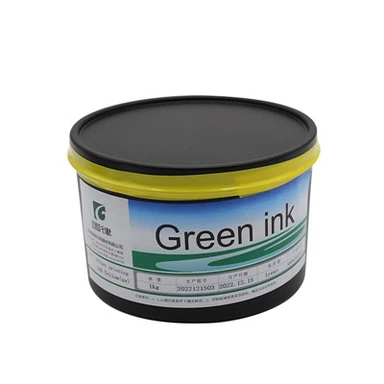
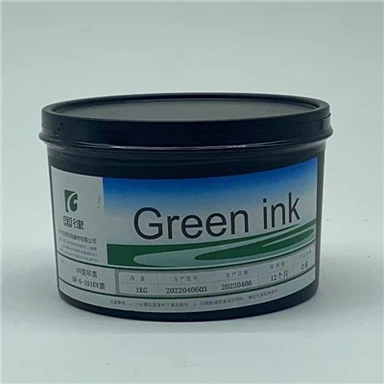
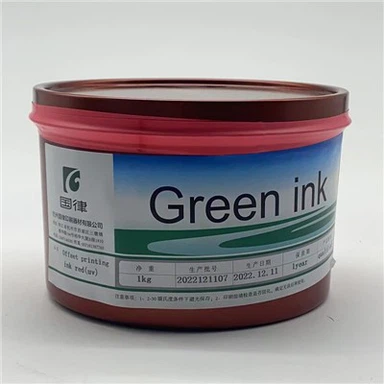
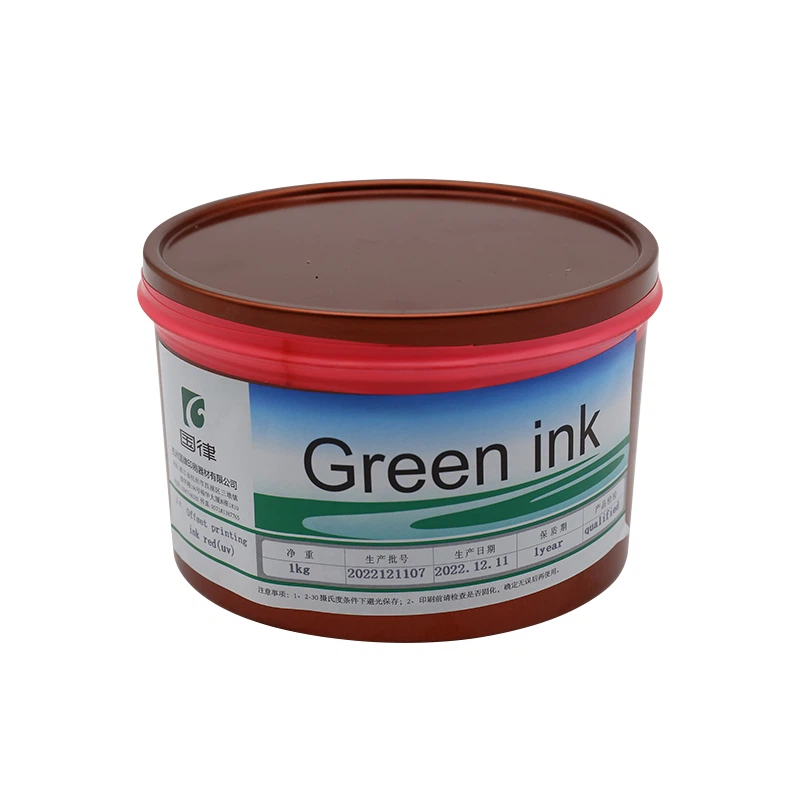
Offset Ink For Packaging Printing
Offset Ink for Packaging Printing is ideal for high-speed packaging production lines (such as folding cartons and labels). Its instant curing via UV/LED light eliminates smearing issues during post-processing steps like die-cutting and gluing. Its high gloss and scratch resistance make it suitable for high-end packaging (such as cosmetics boxes). LED-UV models offer 50% lower energy consumption and zero ozone emissions, aligning with green production trends.
- Fast Delievery
- Quality Assurance
- 24/7 Customer Service
Product Introduction
Adhesion and Durability: They must withstand transportation friction, temperature fluctuations (e.g., refrigerated food), and moisture. For example, UV inks offer over 90% adhesion on PET film, while solvent-based inks resist peeling on metal.
Color Consistency: Inks certified to ISO 12647-2 ensure batch-to-batch color consistency, crucial for brand identity (e.g., Coca-Cola Red).
Drying Speed: LED-UV inks cure in 0.2 seconds, supporting production speeds of 500+ sheets per minute; soy-based inks dry by absorption, taking 1–2 hours to dry, making them suitable for slow-speed cardboard printing.
Food Contact Safety: Inks for packaging that comes in direct contact with food (e.g., candy wrappers).
Buyer's Guide
Substrate Compatibility: Test adhesion on specific materials (e.g., recycled cardboard may require additional adhesive).
Production Speed: For high-volume lines (10k+ per day), LED-UV inks are preferred; for smaller batches, soy-based inks are an option.
Sustainability: Choose bio-based inks with carbon neutral certification (e.g., EU Ecolabel) to align with your brand's ESG commitments.
Total Cost of Ownership: UV inks have a higher initial investment, but their fast drying time can reduce waste (e.g., smeared product) by 30% or more, making them superior to solvent-based inks.

FAQ
When bulk purchasing, how to ensure color consistency across ink batches?
Control via three steps: ① Require ISO 12647-2 certification, ensuring ΔE (color difference) ≤2.0 (imperceptible to the naked eye); ② Include "color sample clauses" in contracts, with each batch accompanied by standard swatches verified via spectrophotometer; ③ Choose suppliers with Color Management Systems (CMS), using computerized matching to keep batch ΔE ≤1.5 (far below the industry average of ΔE ≤3.0).
How to choose the right ink for a specific substrate?
1. Identify the Core Properties of the Substrate
Absorbency: For highly absorbent substrates (newsprint, kraft paper, etc.), choose fiber-penetrating, drying inks (soy-based, cold-set). For low/non-absorbent substrates (plastic film, metal foil, etc.), use UV/LED-UV or solvent-based inks.
Surface Properties: For smooth surfaces (mirror-coated paper, aluminum foil), high-adhesion UV inks (containing polar resins) or two-component solvent-based inks are required. For rough surfaces (corrugated paper, recycled cardboard), solvent-based or heat-set inks are preferred.
2. Match the Application
For food contact applications: Choose low-migration inks (soy-based, water-based, etc.) certified to FDA 21 CFR 175.300 or EU 10/2011.
For outdoor/weatherproof applications: For plastic/metal substrates, use UV-resistant and anti-aging inks (solvent-based inks with light stabilizers or outdoor-specific UV inks).
For high-frequency friction applications: Choose UV inks with a hardness of 3H or higher or cross-linked solvent-based inks. 3. Combining Equipment and Processes
Drying Equipment: Solvent-based inks are used for traditional offset printing presses (without UV equipment); LED-UV systems prioritize LED-UV inks (suitable for high-speed production).
Printing Precision: UV inks are used for high-precision graphics on smooth substrates; heat-set inks are used for large text blocks on rough substrates.
4. Testing and Verification
Sample Testing: Adhesion (3M tape peeling ≤ 5%), drying speed, and resistance (water/alcohol resistance).
Compatibility Testing: Substrate pretreatment (laminate, varnish) requires confirmation of ink and coating compatibility (e.g., low-solvent LED-UV inks for laminated paper).
Hot Tags: offset ink for packaging printing, China offset ink for packaging printing manufacturers, suppliers, factory, metallic inks for offset printing, dry offset ink, micro offset printing ink, Offset UV Ink, UV offset ink, offset printer ink