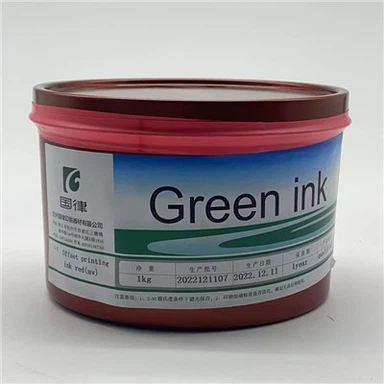
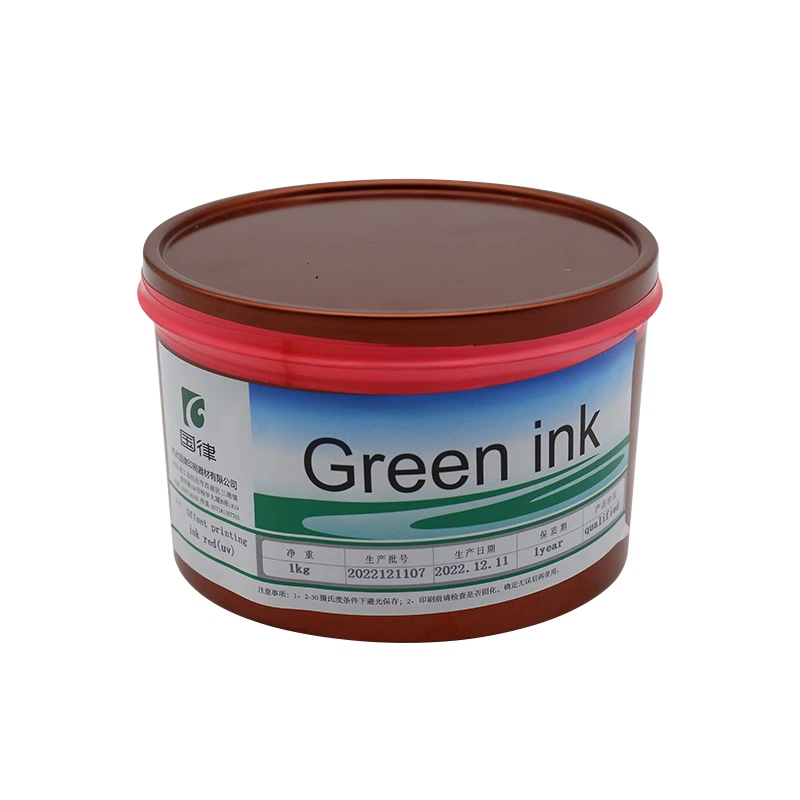
Ink Offset Printing
Ink offset printing is a widely used printing technique that involves the transfer of ink from a printing plate to a rubber blanket and then onto the printing substrate, such as paper, cardboard, or plastic.
- Fast Delievery
- Quality Assurance
- 24/7 Customer Service
Product Introduction
Plate Preparation:
The image to be printed is first created on a printing plate. This can be a metal plate, typically aluminum, which is chemically treated to make the image - bearing areas ink - receptive and the non - image areas water - receptive. For example, in a commercial printing job for a magazine cover, the design is etched or imaged onto the plate.
Inking and Dampening:
Ink is applied to the printing plate. In a traditional offset press, a dampening system simultaneously applies a thin layer of water to the non - image areas of the plate. The water repels the ink, ensuring that the ink only adheres to the image areas.
Blanket Transfer:
The inked image on the plate is then transferred to a rubber blanket cylinder. The rubber blanket conforms to the surface of the plate, picking up the ink precisely.
Substrate Printing:
The blanket then transfers the ink onto the substrate. This two - step transfer process (plate to blanket to substrate) gives offset printing its name. It allows for a more even distribution of ink on the substrate, resulting in high - quality prints.

FAQ
1.What are the advantages of ink offset printing?
1. Print Quality
High Resolution: It can achieve extremely high resolution, enabling the reproduction of fine details, sharp text, and smooth gradients. This is crucial for applications such as high - end photography reproduction in art books, magazines, or product catalogs. For example, a nature photography book can showcase every detail of a bird's plumage or a flower's stamen with remarkable clarity.
Color Accuracy: Offset printing is renowned for its ability to accurately reproduce a wide range of colors. Printers can closely match Pantone colors or other color standards, ensuring brand - consistent colors across different print runs. This is vital for companies that rely on specific color palettes for branding, like Coca - Cola with its distinct red color.
2. Cost - effectiveness
Economical for Large - scale Production: Once the initial setup costs (such as plate - making) are incurred, the cost per unit decreases significantly as the number of printed copies increases. For large - volume print jobs like mass - market newspapers, textbooks, or packaging for consumer goods, offset printing is highly cost - efficient compared to other printing methods.
Long - term Savings: The durability of offset - printed materials means less need for re - printing due to wear and tear. This is especially beneficial for items like product packaging that need to maintain their appearance during storage and transportation, leading to long - term cost savings.
3. Substrate Versatility
Wide Range of Substrates: It can be used on various substrates, including different types of paper (coated, uncoated, glossy, matte), cardboard, and even some plastics. This makes it suitable for diverse applications, from printing delicate stationery to sturdy packaging boxes. For instance, luxury product packaging often uses offset printing on high - quality cardboard to enhance the product's perceived value.
4. Ink and Finish Options
Ink Variety: There are different types of inks available for offset printing, such as oil - based, water - based, and UV - curable inks. Each type offers unique properties, like the high color saturation of oil - based inks, the eco - friendliness of water - based inks, and the quick - drying and high - gloss finish of UV - curable inks.
Finishing Choices: Offset - printed materials can be easily enhanced with various finishing options like laminating, embossing, or varnishing. These finishes can improve the appearance, durability, and functionality of the printed product. For example, a laminated offset - printed brochure will be more resistant to moisture and wear.
5. Consistency
Uniform Prints: Offset printing provides consistent results throughout a large print run. The ink transfer process from the plate to the blanket and then to the substrate ensures that each printed piece has the same color, density, and quality. This is essential for maintaining brand identity and product quality in commercial printing applications.
Hot Tags: ink offset printing, China ink offset printing manufacturers, suppliers, factory, led uv offset inks, dry offset printing inks, metallic inks for offset printing, Offset Printing Ink, micro offset printing ink, offset sublimation ink