Uses And Attributes Of BOPP Films – Its Pros And Its Cons
Nov 17, 2026
BOPP film is available in different surface finishes and functional grades, including transparent, white opaque, matte, glossy, metallized, and heat-sealable films. Manufacturers select the film structure according to the requirements of printing, lamination, wrapping, and sealing.
In packaging production, BOPP is used for flexible packaging, product overwrapping, labels, adhesive tapes, and laminated structures. Its lightweight construction and moisture barrier properties make it suitable for applications where film weight, appearance, and packaging protection need to be considered together.
Key Attributes of BOPP Films
BOPP film has several physical and processing characteristics that determine its suitability for different packaging applications.
1. Lightweight Structure and Material Yield
Polypropylene has a relatively low density, allowing BOPP film to provide a large packaging area with less material weight. This characteristic is useful for high-volume packaging operations where film consumption, roll weight, and finished package dimensions affect production planning.
For packaging manufacturers, material selection should consider both film thickness and mechanical strength. A thinner film reduces material consumption, but it still needs to withstand unwinding, tension control, folding, and wrapping without tearing.
2. Transparency, Gloss, and Surface Appearance
Transparent BOPP film provides clear visibility of the packaged product, while glossy grades create a reflective surface for printed packaging. Matte and pearlescent options provide different visual effects without changing the basic polypropylene material.
These surface finishes give packaging designers flexibility when matching film appearance with printed graphics, product presentation, and brand requirements. The selected finish also needs to be compatible with the printing method and any subsequent lamination process.
3. Moisture Barrier Properties
BOPP film provides a barrier against water vapor, helping reduce moisture transfer through the packaging material. This property is useful for products that require protection from humid storage and transportation environments.
However, BOPP should not be treated as a universal barrier material. Its resistance to oxygen, aroma, and other gases is different from its moisture barrier performance. Packaging specifications should therefore be based on the actual protection requirements rather than the general term "barrier film."
4. Mechanical Strength and Dimensional Stability
The biaxial orientation process gives BOPP film tensile strength in both directions. It also provides stiffness and dimensional stability during printing, coating, and converting.
These characteristics support continuous web processing. Film tension, thickness uniformity, and roll winding conditions still need to be controlled to prevent wrinkles, edge deformation, and unstable feeding during production.
5. Printing and Surface Compatibility
BOPP has a non-polar polypropylene surface with relatively low surface energy. This limits direct ink adhesion unless the surface is properly prepared.
Corona treatment, flame treatment, or suitable primers can improve surface wettability and support ink bonding. For printed packaging, surface treatment level, ink formulation, drying conditions, and storage time after treatment all need to be considered.
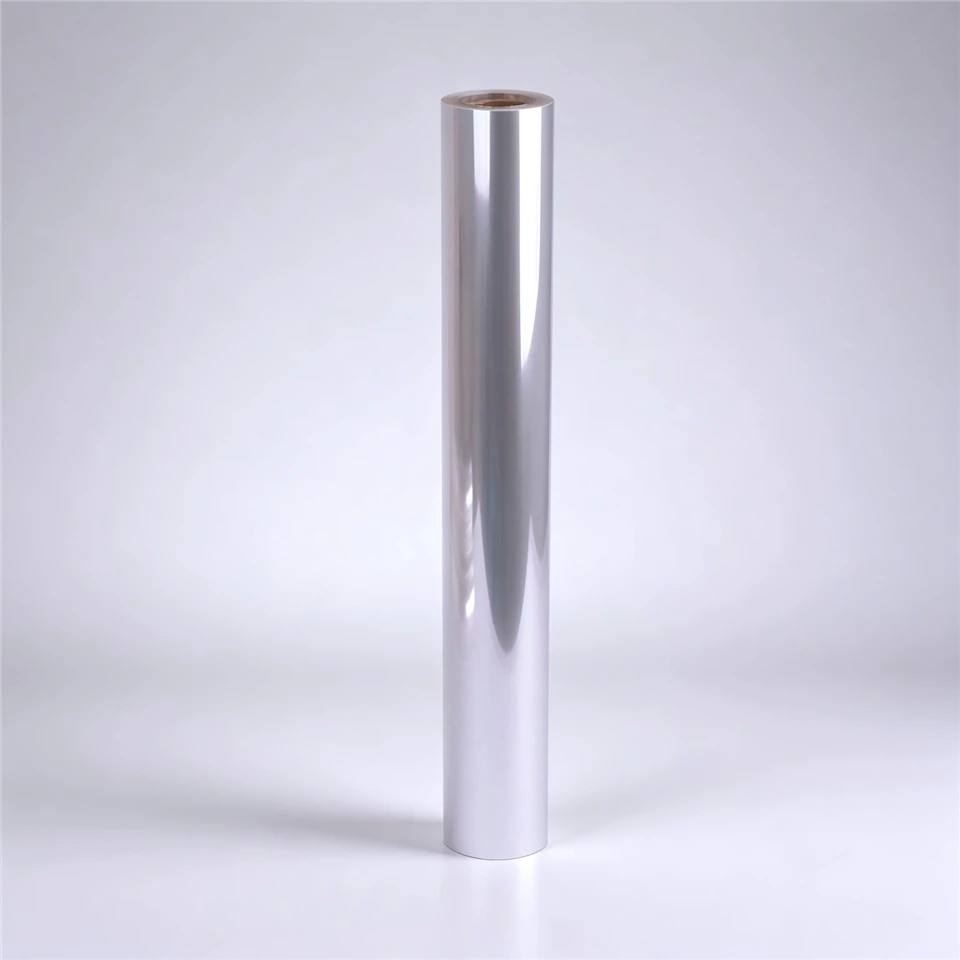
BOPP Cigarette Overwrap Film
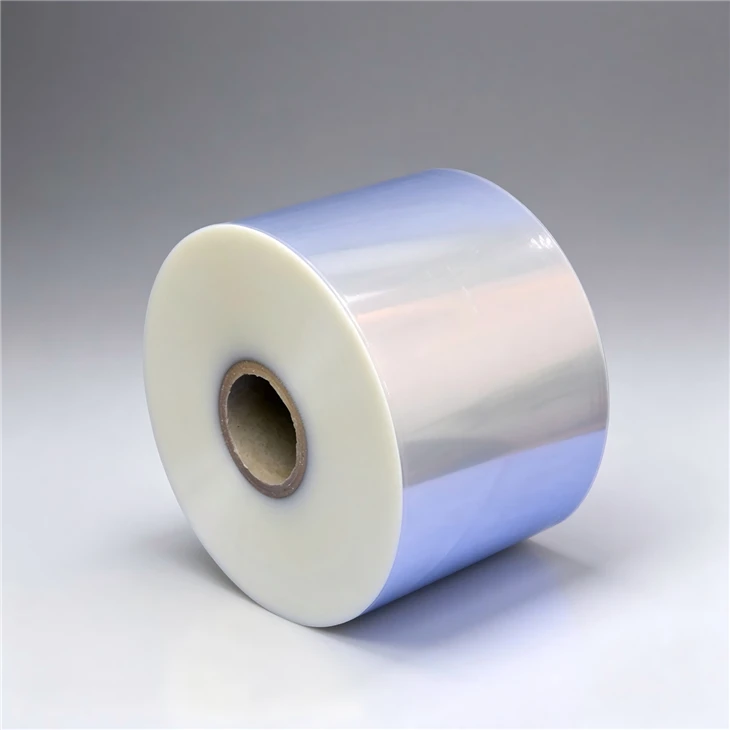
BOPP Shrink Cigarette Pack Film

Cigarette Packaging BOPP Film
Common Uses of BOPP Films in Packaging and Industry
BOPP film is used in different sectors because its thickness, surface finish, and functional layers can be selected according to the converting process.
Flexible Food Packaging
BOPP films are used in packaging for snacks, biscuits, confectionery, and other dry food products. Transparent films provide product visibility, while printed or metallized grades support packaging design and light protection.
Heat-sealable BOPP grades are used in packaging structures that require sealing through heated jaws. The sealing performance depends on the film grade, sealant layer, temperature, pressure, and dwell time.
Cigarette Packaging and Overwrapping
In cigarette packaging, BOPP film is used for the outer overwrapping of cigarette packs. The film forms a transparent protective layer around the pack and supports the presentation of the printed package.
Film thickness, transparency, stiffness, coefficient of friction, and roll dimensions influence its performance on automatic packaging equipment. The film must unwind consistently, pass through the feeding system, and form neat folds around the pack. Sealing and tear-opening requirements also need to match the selected film structure and packaging machine.
Labels and Adhesive Tapes
BOPP film is used as a label face material and as a backing film for pressure-sensitive adhesive tapes. Its tensile strength and dimensional stability support roll-to-roll converting, printing, coating, and die-cutting operations.
For label production, surface treatment and ink adhesion are important. For adhesive tape, the film needs to work with the selected adhesive and release coating system.
Industrial and Lamination Applications
BOPP films are also used in industrial packaging, paper lamination, and protective wrapping. Glossy, matte, and metallized surfaces provide different finishing options, while film thickness and stiffness determine handling characteristics during converting.
The final structure should be selected according to bonding requirements, end-use conditions, and compatibility with other materials in the laminate.
Advantages of BOPP Films
BOPP film offers several practical benefits for packaging manufacturers and converters.
Low material weight: Its relatively low density supports lightweight packaging structures and high material yield.
Moisture resistance: It helps limit water vapor transmission and protects suitable products from external humidity.
Surface appearance options: Transparent, glossy, matte, white opaque, and metallized grades support different packaging designs.
Mechanical strength: Biaxial orientation provides tensile strength and dimensional stability during web processing.
Printing and converting compatibility: Treated BOPP grades can be used in gravure and flexographic printing, coating, lamination, and other converting processes.
Grade selection flexibility: Heat-sealable and non-heat-sealable structures are available for different packaging requirements.
Disadvantages and Limitations of BOPP Films
Despite its advantages, BOPP film has limitations that need to be considered before selecting it for a packaging project.
1. Limited Natural Heat-Sealing Performance
Standard BOPP film does not provide the same heat-sealing behavior as purpose-designed sealable grades. Packaging manufacturers need to select a heat-sealable grade or a film structure with an appropriate sealant layer.
Seal strength and sealing consistency depend on the material structure and machine settings. Using a non-sealable grade in a process that requires direct heat sealing can result in weak or incomplete seals.
2. Low Natural Surface Energy
The non-polar surface of untreated BOPP makes ink adhesion and coating bonding more difficult. Surface treatment is therefore required for many printing and lamination applications.
If the treatment level is insufficient or decreases during storage, ink adhesion and bonding performance can become inconsistent. Converters should check surface tension and conduct printing or lamination trials before mass production.
3. Limited Gas Barrier Performance
BOPP provides moisture resistance, but its oxygen and aroma barrier performance is limited compared with specialized high-barrier materials. Applications requiring stronger gas protection need an appropriate coating, metallized layer, or multilayer structure.
The barrier performance of the complete packaging structure should be evaluated rather than relying on the properties of the BOPP base film alone.
4. Sensitivity to Processing Conditions
BOPP film requires suitable tension, temperature, and web-handling settings during printing and converting. Excessive tension can cause deformation, while unsuitable heating conditions can affect film dimensions and sealing results.
Production teams need to match the film grade with the machine configuration and processing parameters to maintain stable operation.
BOPP Film vs. Other Common Packaging Films
BOPP is often compared with PET and CPP films when selecting materials for flexible packaging. Each material has different mechanical, thermal, and barrier characteristics.
|
Comparison |
BOPP Film |
PET Film |
CPP Film |
|---|---|---|---|
|
Base material |
Polypropylene |
Polyester |
Polypropylene |
|
Main characteristics |
Lightweight, stiff, moisture-resistant |
High stiffness and dimensional stability |
Flexible and suitable for heat sealing |
|
Transparency |
Available in clear grades |
Available in clear grades |
Available in clear grades |
|
Heat sealing |
Requires a sealable grade or layer |
Standard PET is not heat-sealable |
Commonly available in heat-sealable grades |
|
Common applications |
Overwrap, labels, flexible packaging |
Printing, lamination, high-strength packaging |
Inner sealing layers, food packaging, lamination |
The choice between these materials depends on the packaging structure and production requirements. For example, BOPP can provide a lightweight outer film, PET can serve as a dimensionally stable printing substrate, and CPP can provide a heat-sealable layer in a multilayer structure.
Why Choose GUOLV for Customized BOPP Film Packaging?
GUOLV coordinates BOPP film specifications according to project requirements, including thickness, width, roll dimensions, surface finish, and packaging application. This helps match the material with different packaging machine configurations.
Our technical capabilities cover gravure printing, edge printing, full-surface printing, coating, embossing, and hot stamping. These options support different packaging designs, surface effects, and finishing requirements.
Customers can provide film samples, packaging designs, or technical specifications. GUOLV evaluates material selection, printing, and processing requirements to support customized packaging projects from specification confirmation to sample evaluation.
Frequently Asked Questions About BOPP Films
1. Why does BOPP film have wrinkles during packaging?
Wrinkles can result from uneven web tension, incorrect roller alignment, inconsistent roll winding, or unsuitable machine settings. Film thickness variation and edge deformation can also affect web tracking.
2. Can BOPP film be used for cigarette pack overwrapping?
Yes. Suitable BOPP grades are used for cigarette pack overwrapping. The selected film needs to match the packaging machine's requirements for thickness, friction, transparency, folding, and sealing.
3. Is BOPP film recyclable?
BOPP is a polypropylene-based material and can be mechanically recycled where suitable collection and recycling facilities are available. However, metallized films, coatings, adhesives, and multilayer laminates can affect recycling compatibility.