

Comparing Different Types Of Tipping Paper: Which One Fits Your Needs?
Nov 14, 2026
For cigarette manufacturers and tobacco packaging material suppliers, selecting tipping paper involves more than choosing a color or printed pattern. The material must match filter dimensions, perforation requirements, printing specifications, adhesive application, and production line conditions.
Different tipping paper types serve different product designs and manufacturing requirements. Understanding their characteristics helps manufacturers establish appropriate material specifications before placing bulk orders.
What Makes Different Types of Tipping Paper?
Tipping paper is a specialized paper material used in cigarette filter assembly. During production, it is wrapped around the filter rod and overlaps the cigarette paper at the filter end. Adhesive application and wrapping operations secure the filter and tobacco rod together.
Several characteristics determine the type and application of tipping paper:
Surface Appearance: White, cork-patterned, printed, or colored surfaces.
Ventilation Structure: Perforated or non-perforated paper designed for specific airflow requirements.
Paper Properties: Grammage, thickness, tensile strength, and surface characteristics.
Printing Requirements: Logo placement, pattern accuracy, ink adhesion, and color consistency.
Processing Compatibility: Paper width, reel dimensions, adhesive compatibility, and machine running conditions.
These characteristics can be combined. For example, manufacturers can specify cork-patterned tipping paper with laser perforations rather than treating the two features as mutually exclusive categories.
Main Types of Tipping Paper and Their Differences
Different tipping paper types address different requirements in cigarette appearance, filter ventilation, and manufacturing processes.
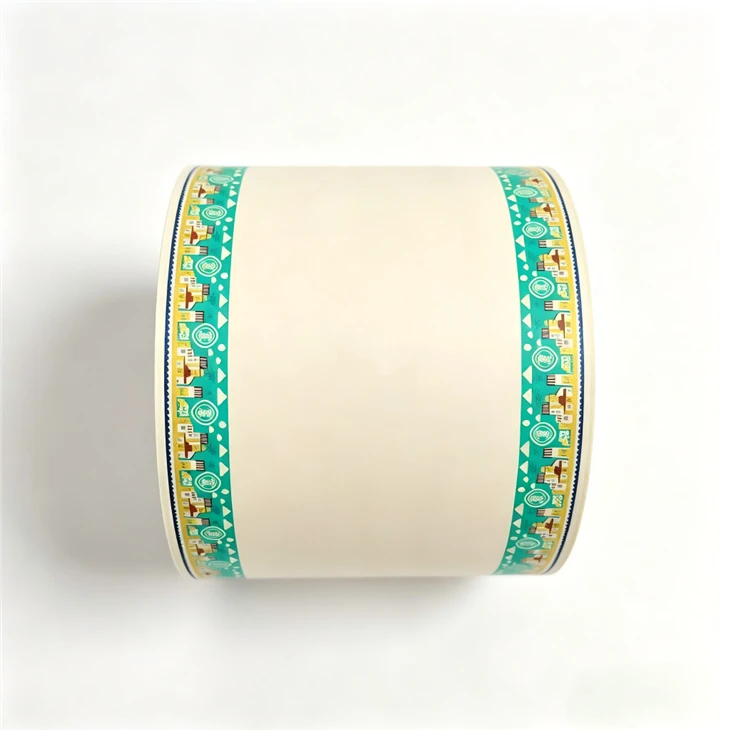
White Tipping Paper
Appearance: Plain white surface with minimal decoration.
Features: Supports logo printing and customized graphics.
Application: Suitable for cigarette filters requiring a simple appearance.
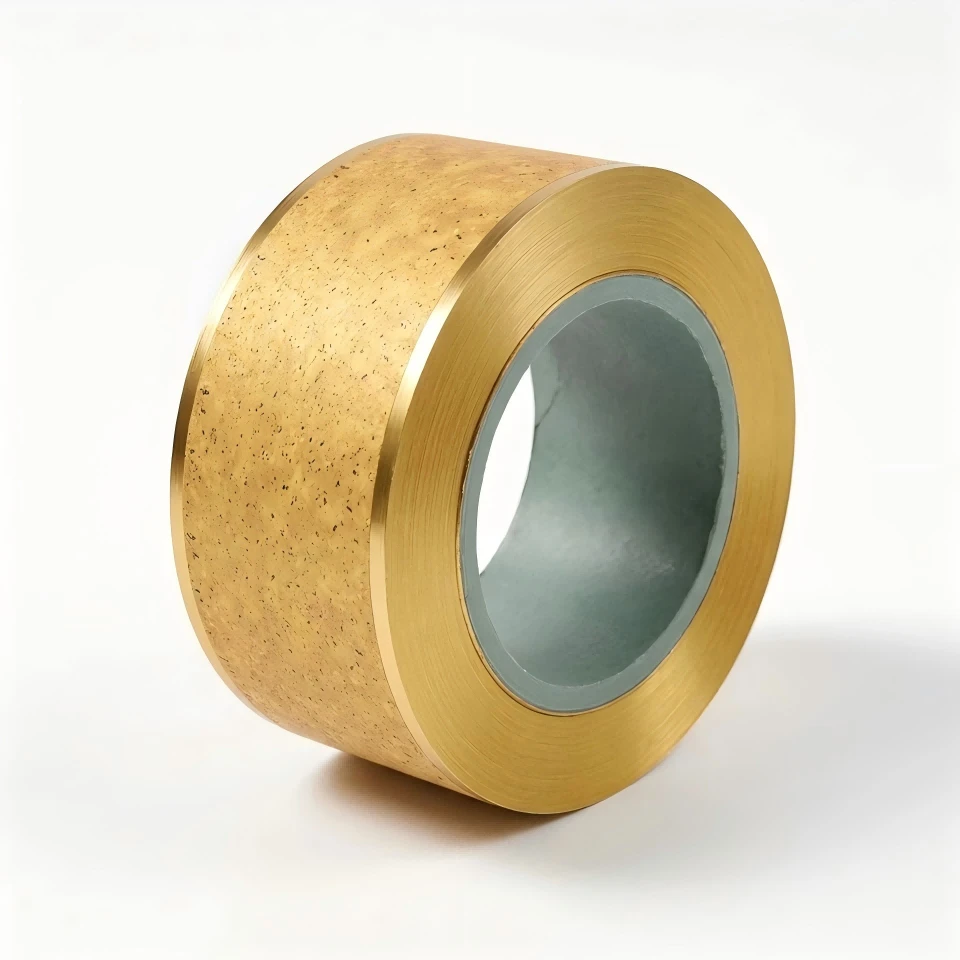
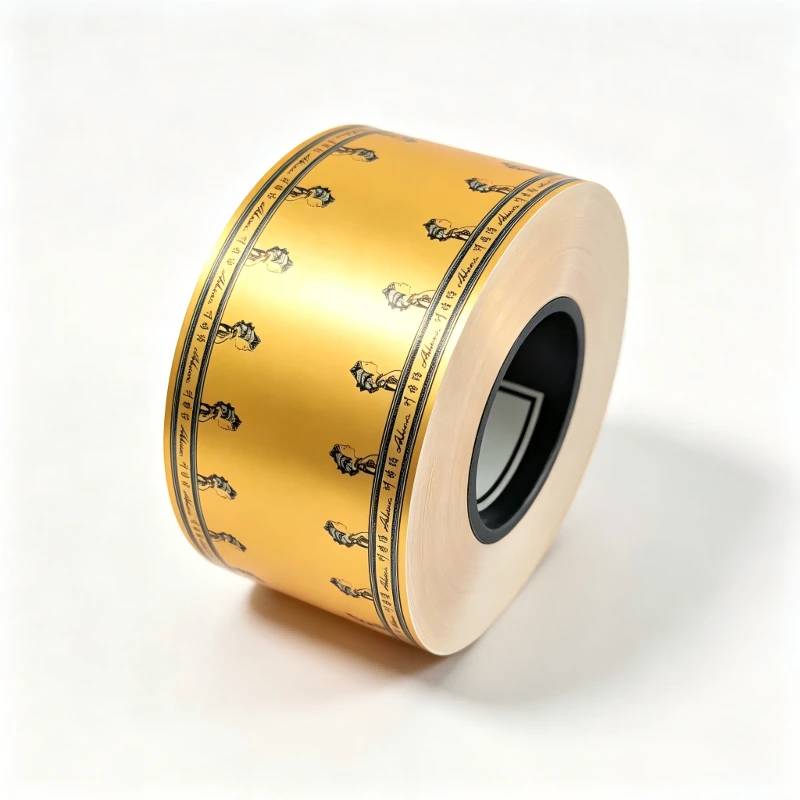
Cork Tipping Paper
Appearance: Brown printed patterns with a traditional cork-style texture.
Features: Allows customized dot patterns, colors, and brand graphics.
Application: Suitable for traditional cork-style filter designs.
Printed Tipping Paper
Appearance: Customized logos, text, and decorative patterns.
Features: Requires consistent colors and accurate printing registration.
Application: Suitable for branded cigarette filter designs.
Perforated Tipping Paper
Structure: Contains laser or mechanically produced ventilation holes.
Features: Hole diameter, spacing, and distribution determine ventilation characteristics.
Application: Suitable for filters with specified ventilation requirements.
Colored Tipping Paper
Appearance: Solid or customized background colors.
Features: Supports additional printing and customized visual designs.
Application: Suitable for cigarette products requiring specific filter colors.
Comparison of Different Tipping Paper Types
|
Tipping Paper Type |
Main Characteristics |
Key Selection Factors |
|---|---|---|
|
White Tipping Paper |
Plain white surface |
Whiteness, opacity, surface properties |
|
Cork Tipping Paper |
Printed cork-style pattern |
Pattern accuracy, color consistency |
|
Printed Tipping Paper |
Customized logos and graphics |
Ink adhesion, registration |
|
Perforated Tipping Paper |
Ventilation holes |
Hole diameter, spacing, air permeability |
|
Colored Tipping Paper |
Customized background colors |
Color consistency, surface performance |
These categories can overlap. Printed tipping paper may also be perforated, while cork tipping paper can incorporate customized logos.
Therefore, manufacturers should define surface design and functional treatment separately when preparing a material specification.
How to Select Tipping Paper for Different Manufacturing Requirements
Define the Filter Design First
The filter structure determines several important tipping paper requirements. Before selecting the paper, manufacturers should confirm filter diameter, wrapping dimensions, ventilation arrangement, and overlap requirements.
For example, a filter design with ventilation holes requires perforated tipping paper with a specified hole arrangement. A product using a traditional cork-style appearance may require a printed cork pattern with the correct graphic repeat.
Match Paper Properties with Machine Conditions
Tipping paper passes through unwinding, tension control, adhesive application, and wrapping operations. Paper properties directly affect how the material behaves during these stages.
Manufacturers should evaluate:
Grammage and thickness for the intended paper structure.
Tensile strength for continuous web handling.
Reel width and winding condition for machine installation.
Surface characteristics for adhesive application.
Dimensional stability during processing.
A paper specification that performs well in one production setup may require adjustment when the machine configuration or filter dimensions change.
Consider Printing and Perforation Requirements Together
Printing and perforation should be evaluated as coordinated processes rather than independent decorative features.
The position of printed graphics must account for the final wrapping geometry. Similarly, ventilation holes need to remain within the specified functional area after the tipping paper is wrapped around the filter.
For customized products, manufacturers should confirm artwork, printing repeat, perforation layout, and wrapping direction before approving production.
Confirm Material Specifications Before Bulk Purchasing
Before ordering tipping paper in large quantities, manufacturers should establish a documented specification sheet.
|
Specification Item |
Information to Confirm |
|---|---|
|
Paper Type |
White, cork, printed, perforated, or colored |
|
Grammage |
Required weight per square meter |
|
Paper Width |
Width matching production equipment |
|
Thickness |
Required paper thickness |
|
Air Permeability |
Target value for the intended filter design |
|
Printing |
Artwork, colors, and repeat dimensions |
|
Perforation |
Hole diameter, spacing, and arrangement |
|
Roll Details |
Core size, winding direction, and roll dimensions |
Not every project requires all these parameters. The final specification should reflect the actual cigarette design and production equipment.
Common Quality Issues When Selecting Tipping Paper
Even when the paper type matches the product design, inconsistencies in material properties or processing can affect production.
Uneven Printing Color
Color differences between rolls can create visible inconsistencies in finished cigarette filters. Manufacturers should compare production samples with approved color references and establish acceptable color tolerances.
Incorrect Perforation Position
If ventilation holes do not align with the specified filter area, the finished product may not achieve the intended airflow characteristics. Perforation coordinates should be checked against the filter wrapping layout.
Paper Breakage During Production
Insufficient tensile strength, inconsistent paper thickness, or poor winding conditions can cause web breaks during unwinding and wrapping. These problems may interrupt production and increase material waste.
Adhesive Application Problems
Paper surface characteristics can influence adhesive wetting and bonding. Manufacturers should test the selected paper with the actual adhesive system and machine settings instead of evaluating the paper independently.
Inconsistent Roll Dimensions
Variations in paper width, roll diameter, or winding condition can create installation and feeding problems. Incoming material inspection should include dimensional checks before production.
Why Choose GUOLV for Tipping Paper Solutions?
Founded in 2011, Hangzhou Guolv Printing Materials Co., Ltd. focuses on printing materials, intelligent printing equipment, research and development, and technical services. Its tipping paper business combines customized paper processing with printing technology resources.
Customized Tipping Paper Processing
GUOLV provides different tipping paper specifications and processing options to accommodate cigarette filter designs and production requirements.
Paper Specifications: Grammage from 26–60 g/m², paper width from 40–76 mm, and air permeability from 10–60 Coresta Units.
Printing Options: Gravure printing, edge printing, and full-surface printing.
Surface Finishing: Embossing and hot stamping for customized visual effects.
Perforation: Customized perforation patterns, including laser and mechanical processing options.
These options allow manufacturers to specify paper dimensions, printed graphics, surface treatments, and ventilation structures according to their product requirements.
Integrated Printing Technology and R&D Resources
GUOLV has developed technical resources across printing materials, equipment manufacturing, and material testing. This background supports the evaluation of printing compatibility and processing requirements for customized tipping paper.
R&D Team: 32 R&D personnel working on printing materials and equipment technologies.
Patent Portfolio: 12 authorized invention patents and 25 authorized utility model patents.
Material Technologies: Business coverage includes printing inks, coatings, and related printing materials.
Testing Resources: Equipment for evaluating material weight, smoothness, crease stiffness, and friction resistance.
By combining material processing experience with printing and testing resources, GUOLV can discuss paper specifications, printing methods, coating requirements, and surface performance with customers during project development.
Cigarette Cork Tipping Paper
White Tipping Paper

Printed Cork Tipping Paper
FAQ
What is the difference between white tipping paper and cork tipping paper?
White tipping paper has a plain white surface, while cork tipping paper uses printed patterns to reproduce the traditional brown cork appearance. Their primary difference is the surface design rather than their basic function in filter assembly.
Can printed tipping paper also be perforated?
Yes. Printing and perforation are separate processing requirements and can be combined in one product. However, the graphic layout and ventilation hole positions must be coordinated with the filter design.
What determines the air permeability of tipping paper?
Air permeability is influenced by the paper structure and additional perforation treatment. For ventilated cigarette filters, manufacturers need to evaluate perforation dimensions, distribution, and overall ventilation performance.
What specifications should be provided when ordering customized tipping paper?
Manufacturers should provide the paper type, grammage, thickness, width, roll dimensions, printing artwork, and perforation requirements if applicable. Production equipment and filter dimensions are also useful for confirming material compatibility.
Why should tipping paper samples be tested before mass production?
Sample testing helps verify printing appearance, paper handling, dimensional consistency, perforation accuracy, and adhesive compatibility. It also allows manufacturers to identify specification problems before committing to a large production order.


