Water-based Inks Are A Sustainable Alternative To Traditional Solvent-based Inks Due To Their Environmentally Friendly Properties, Low VOC Content, And Vibrant Printing Results.
Nov 20, 2025
Water-based inks are a sustainable alternative to traditional solvent-based inks due to their environmentally friendly properties, low VOC content, and vibrant printing results.
1. Understanding Water-Based Screen Ink
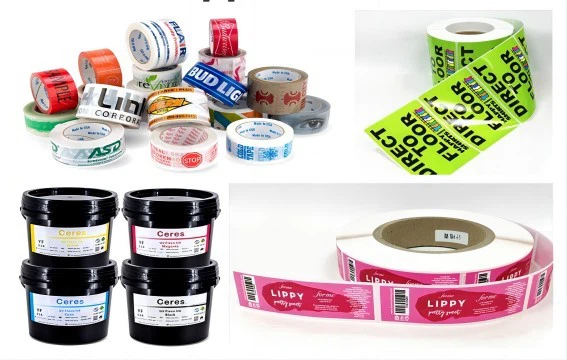
Water-based screen inks-also called eco-friendly screen ink, water-based printing ink, or water-based ink for textiles and paper-are formulated using water as the primary solvent, along with pigments, resins, thickeners, and various additives. Unlike plastisol or solvent-based inks, water-based inks are non-toxic, environmentally friendly, and easy to clean with water. They offer excellent color vibrancy, soft hand feel on textiles, and high adhesion to porous surfaces like paper and cardboard.
However, because water is the main carrier, these inks are sensitive to temperature, humidity, and microbial contamination. Exposure to adverse conditions can cause issues such as:
Ink separation or pigment settling
Growth of mold or bacteria
Reduced viscosity or uneven flow
Premature drying and clogging of mesh screens
Changes in color consistency and print opacity
Understanding the chemistry and behavior of water-based inks is the first step toward proper storage, mixing, and maintenance.
2. Best Practices for Storing Water-Based Screen Ink
Proper storage is critical for extending the shelf life of water-based inks. Inadequate storage can shorten usability and degrade print quality, even before the ink is applied. Key considerations include:
2.1 Temperature Control
Water-based inks should be stored in a stable, moderate-temperature environment, typically between 15°C and 25°C (59°F – 77°F). Avoid storing inks in areas exposed to:
Direct sunlight
Radiators or heat sources
Freezing conditions
Extreme heat accelerates water evaporation, increasing viscosity and causing premature drying. Freezing can destabilize the pigment-resin mixture, resulting in coagulation or pigment clumping.
2.2 Humidity and Air Exposure
High humidity can promote microbial growth in water-based inks, while low humidity may lead to evaporation and thickening. Keep inks in sealed, airtight containers to reduce air exposure. Containers should be made from non-reactive materials, such as polyethylene or polypropylene, which do not interact chemically with the ink.
For bulk storage, consider using temperature- and humidity-controlled rooms or cabinets to maintain an ideal environment, preventing quality degradation during long-term storage.
2.3 Light Protection
Many pigments and dyes in water-based inks are sensitive to UV light, which can cause fading or discoloration over time. Store inks in opaque or dark-colored containers and avoid prolonged exposure to sunlight to maintain color integrity.
2.4 Shelf Life Awareness
Even under optimal storage conditions, water-based inks have a finite shelf life, usually between 12 and 24 months depending on formulation and pigment stability. Always:
Check expiration dates
Rotate stock (use older batches first)
Inspect inks before use for separation, mold growth, or unusual odor
3. Proper Mixing Techniques
Before using water-based screen ink, correct mixing ensures uniform pigment distribution, consistent viscosity, and smooth print flow. Poor mixing can lead to streaks, uneven opacity, or clogged screens.
3.1 Manual Stirring
For small batches, manual stirring with a clean, non-reactive spatula or paddle is acceptable. Stir gently to:
Re-suspend settled pigments
Avoid incorporating excessive air bubbles
Maintain the ink's original viscosity
Always stir from the bottom to the top, ensuring that pigments and resin are fully re-integrated.
3.2 Mechanical Mixing
For larger volumes or production-scale operations, mechanical mixing is preferred. Use low-speed mixers or agitators designed for water-based inks to:
Ensure uniform pigment dispersion
Maintain the stability of thickeners and additives
Prevent excessive frothing, which can affect print quality
Avoid high-speed mixing, which may introduce air bubbles and alter the ink's rheology.
3.3 Avoiding Contamination
Contamination is a significant risk when mixing inks. Always:
Use clean, dedicated mixing tools
Avoid introducing dust, dirt, or residual solvents
Work in a clean environment with minimal airflow to prevent airborne particles
Contamination not only affects print quality but also shortens the ink's usable life.
3.4 Adjusting Viscosity
Water-based inks may sometimes require viscosity adjustment for different printing techniques:
Thinning: Use distilled water or approved retarders to reduce viscosity for fine mesh screens.
Thickening: Add thickeners or water-based binders for improved opacity on porous substrates.
Always adjust gradually, testing a small sample before full-scale application to maintain print stability and consistency.
4. Maintenance of Water-Based Screen Ink
Maintaining water-based screen ink during printing and between production runs is essential to prevent drying, clogging, and microbial contamination, ensuring consistent print quality. Proper maintenance helps avoid interruptions in production and prolongs the usable life of the ink, which is particularly important in industrial and high-volume printing operations.
Screen and squeegee cleaning is the first and most critical step in ink maintenance. Screens, squeegees, and mixing tools should be cleaned immediately after use with water to prevent the ink from drying and adhering to surfaces. Dried ink can cause mesh blockage, uneven print deposits, and even screen damage that may require replacement. Using soft brushes and water-based cleaning solutions helps preserve screen integrity while keeping the printing setup ready for the next run.
Temporary storage during printing is also important, especially if ink will remain on the press overnight. Containers should be tightly covered to minimize evaporation, and using wet pallets or humidified chambers can help slow drying. For longer breaks, transferring ink to airtight containers ensures it retains the proper viscosity and consistency, preventing quality issues when printing resumes.
Finally, preventing microbial growth and reconditioning aged ink are essential for long-term maintenance. Water-based inks are susceptible to mold and bacteria, so storing them in clean, sealed containers and avoiding direct hand contact is crucial. When inks have thickened or separated, gently stirring to re-suspend pigments and testing small batches for print quality can restore usability. Any ink showing mold, unusual odor, or irreversible coagulation should be discarded to maintain consistent print results without compromising the substrate or equipment.
5. Common Mistakes to Avoid
Even experienced printers sometimes make errors that shorten ink life:
Leaving ink open to air: Accelerates drying and contamination.
Storing in extreme temperatures: Causes coagulation or evaporation.
Over-thinning or over-thickening: Alters color consistency and flow.
Neglecting cleaning procedures: Leads to clogged screens and uneven prints.
Mixing incompatible inks: Can trigger chemical reactions and reduce shelf life.
By avoiding these mistakes, water-based screen ink can perform reliably and deliver professional-quality results for months.
6. Benefits of Proper Storage, Mixing, and Maintenance
1. Extended Shelf Life
Proper storage, mixing, and maintenance of water-based screen ink significantly extend its shelf life, allowing printers to use ink over longer periods without degradation. By controlling temperature, humidity, and air exposure, and by keeping containers sealed, the ink maintains its chemical stability and pigment dispersion. This reduces the frequency of ink replacement, minimizes waste, and ultimately lowers production costs. Long-lasting inks also benefit small and medium printing workshops by reducing inventory turnover and ensuring that large-scale projects can be completed consistently with the same batch of ink.
2. Consistent Print Quality
Following recommended practices ensures consistent print quality across multiple runs. Properly stored and mixed inks maintain uniform viscosity, pigment distribution, and color vibrancy, resulting in smooth ink flow and reliable opacity on textiles, paper, packaging, and other substrates. Avoiding microbial contamination and dried ink particles prevents printing defects such as streaks, pinholes, or uneven coverage. This consistency is particularly crucial for industrial printers, brand owners, and designers who require high-quality, repeatable results in every production cycle.
3. Reduced Downtime and Equipment Issues
Maintaining water-based ink properly helps prevent equipment issues that often arise from dried, thickened, or contaminated ink. Screens and squeegees remain free of blockages, reducing the need for frequent cleaning, repair, or replacement. By minimizing printing interruptions, operators can maintain smooth production schedules and reduce downtime, which is especially valuable in high-volume environments such as textile manufacturing, packaging, or large-format graphic printing facilities. Efficient maintenance practices translate directly into higher productivity and reduced operational stress.
4. Sustainability and Environmental Benefits
Water-based screen inks are inherently eco-friendly, and proper handling further enhances their sustainability. Minimizing ink spoilage through correct storage and maintenance reduces waste and prevents unnecessary disposal of water-based ink into drains or landfills. By following best practices, printing operations align with environmentally responsible standards, lower their environmental footprint, and meet the growing demand from clients for sustainable, green production processes. This is increasingly important in industries where corporate social responsibility and environmental compliance are key considerations.
5. Enhanced Operational Efficiency
Finally, adhering to best practices improves overall operational efficiency. Consistently mixed and well-maintained inks provide predictable behavior during printing, allowing operators to achieve precise results with minimal adjustments. This reduces trial-and-error during production, saves time on color corrections, and streamlines workflow across multiple shifts or operators. Enhanced operational efficiency not only boosts productivity but also ensures that large print runs or repeat orders maintain the same high-quality standards, fostering client satisfaction and long-term business reliability.