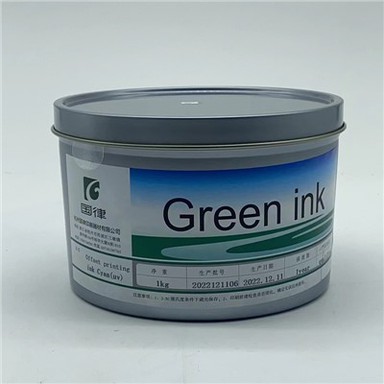
UV Flexo Inks: Enhancing Print Quality And Efficiency
Sep 30, 2025
UV flexographic inks offer numerous advantages: designs are crisp and detailed, colors are dazzlingly bright, and no matter how many copies are printed, each print maintains a consistent look, eliminating any dark or light tint. This not only gives printed products a more premium look but also significantly speeds up production. Traditional inks previously required a slow drying process, but with UV flexographic inks, the process is instantaneous, eliminating the need for waiting and allowing the machine to continue working.

Composition of UV Flexo Inks
1. Monomers and Oligomers
Monomers and oligomers are the foundation of UV flexo inks. When exposed to UV light, they undergo polymerization to form a solid ink film on the substrate. This layer provides adhesion, flexibility, and durability, ensuring that the printed material remains intact even under bending, folding, or rolling. The careful selection of monomers and oligomers influences cure speed, elasticity, and mechanical strength, which are crucial for applications on flexible packaging, films, and other substrates that undergo post-printing processing.
2. Pigments
Pigments are responsible for the color quality, opacity, and vibrancy of UV flexographic inks. High-quality pigments ensure consistent color density, sharp images, and minimal fading over time. They are carefully dispersed within the ink formulation to prevent clumping or uneven color distribution. Depending on the application, manufacturers can choose specialty pigments for metallic effects, fluorescent colors, or transparent finishes, allowing a wide range of aesthetic options for packaging and labeling.
3. Photoinitiators
Photoinitiators are essential components that trigger the curing process when the ink is exposed to UV light. They absorb UV energy and initiate polymerization of the monomers and oligomers, converting the liquid ink into a solid film almost instantly. The type and concentration of photoinitiators affect the curing speed, adhesion, and overall performance of the ink. Using the right photoinitiator ensures that the ink cures evenly across different substrates, preventing issues such as smudging, tackiness, or incomplete curing.
4. Additives
Additives are included in UV flexo inks to enhance specific properties such as flow, gloss, scratch resistance, and stability. For instance, leveling agents improve smoothness and uniformity during printing, while anti-settling agents prevent pigments from separating during storage. Other additives can enhance resistance to abrasion, chemicals, or environmental factors, extending the lifespan and durability of printed materials. These small yet critical components ensure that the ink performs reliably under various production and post-production conditions.
5. Overall Composition Benefits
The carefully balanced combination of monomers, oligomers, pigments, photoinitiators, and additives allows UV flexo inks to provide fast-drying, vibrant, and durable prints. This composition makes them suitable for a wide range of substrates, including paper, films, foils, and laminates.
Advantages of UV Flexo Inks
Investing in UV flexo inks provides multiple advantages. These inks cure instantly, which reduces drying time and increases production efficiency. They deliver brighter colors, sharper images, and uniform print quality, enhancing the visual appeal of labels and packaging. Additionally, UV inks are generally environmentally friendly, producing fewer volatile organic compounds (VOCs) compared to traditional solvent-based inks. This not only supports sustainable manufacturing practices but also helps companies comply with environmental regulations and maintain a safer workplace. Their durability, resistance to smudging, and high adhesion make them a cost-effective choice for long-term industrial printing.
Applications of UV Flexo Inks
1. Packaging and Labeling
UV flexographic inks are extensively used in packaging and labeling because they provide vibrant colors, sharp text, and high-resolution graphics. They work well on a variety of substrates, including cardboard, films, foils, and shrink sleeves. Their instant curing properties allow high-speed production without delays, ensuring consistent print quality across large production runs. These inks also maintain adhesion and durability during handling, shipping, and storage, which is critical for both retail packaging and industrial labeling applications.
2. Events and Promotional Materials
In the events and promotional industry, UV flexo inks are valued for their ability to produce sharp, eye-catching images that stand out on banners, posters, and display materials. They are durable enough for temporary or long-term use, resisting smudging, fading, or peeling during exhibitions, trade shows, or outdoor campaigns. Flexible formulations ensure the ink adheres to different materials like vinyl, paperboard, and coated films, providing reliable visual impact for marketing and branding purposes.
3. Industrial and Flexible Packaging
Industrial applications of UV flexo inks include printing on flexible packaging, pouches, and decorative films. These applications require inks that provide excellent adhesion, flexibility, and resistance to folding or stretching. UV flexo inks are ideal in this context because they can withstand mechanical stress without cracking or peeling, ensuring that printed designs remain intact during production and use. Their ability to cure quickly also enhances production efficiency, reducing downtime and improving output consistency.
4. Specialty Formulations
Specialty UV flexo inks are designed to meet specific industrial or regulatory requirements. For example, food-safe UV inks comply with stringent standards for direct or indirect contact with consumables. Scratch-resistant inks provide enhanced durability for high-contact surfaces, while UV-resistant inks maintain color stability and clarity when exposed to sunlight or harsh lighting conditions. These specialty inks allow manufacturers to address niche market needs without compromising production speed, print quality, or overall efficiency.
5. Emerging Applications
UV flexo inks are also finding applications in innovative and niche markets such as smart packaging, tamper-evident labels, and sustainable packaging solutions. Their compatibility with varied substrates and functional coatings makes them suitable for advanced printing techniques, including multi-layer laminates and embossed or textured surfaces. The ability to combine UV inks with digital or hybrid printing systems further expands their utility, providing brands and manufacturers with versatile solutions to meet modern design and production challenges.
Types of UV Flexo Inks
Standard UV Flexo Inks
Standard UV flexo inks are the most commonly used type in the printing industry. They are ideal for general packaging, labeling, and everyday printing tasks, offering consistent adhesion, color vibrancy, and print quality across a wide range of substrates. These inks are designed to perform reliably under high-speed production conditions, making them suitable for large-scale runs without compromising quality. Their balanced formulation ensures minimal issues such as smudging, uneven coverage, or ink bleeding, which helps manufacturers maintain efficient production workflows and consistent output.
Specialty UV Flexo Inks
Specialty UV inks are formulated for more specific applications and regulatory requirements. Scratch-resistant UV inks are perfect for surfaces that undergo frequent handling, while flexible inks are designed for substrates that bend, roll, or stretch, such as plastic films and laminates. Food-safe UV inks comply with stringent safety regulations, ensuring that packaging materials in direct or indirect contact with consumables meet health and safety standards. These specialty inks allow manufacturers to address niche requirements, providing durability, compliance, and functionality that standard inks cannot achieve.
Choosing the Right Ink
Understanding the differences between standard and specialty UV flexo inks is crucial for selecting the appropriate product for each production scenario. Factors such as substrate type, printing speed, and post-processing requirements should guide the choice. Using the correct ink reduces the risk of defects, minimizes waste, and improves overall operational efficiency. By carefully evaluating these parameters and matching them with the right ink formulation, manufacturers can achieve high-quality prints, consistent production performance, and long-term cost savings.
Key Features to Look for in UV Flexo Inks
When choosing UV flexo inks, consider several key features. Substrate compatibility ensures that the ink adheres properly to paper, films, foils, or laminates. Curing speed and viscosity affect print consistency and production speed. Other important factors include color vibrancy, opacity, scratch resistance, flexibility, and regulatory compliance. Selecting inks with these features ensures high-quality printing, minimal downtime, and durable results. Reputable suppliers often provide technical datasheets, sample testing, and guidance to optimize these features for specific printing operations.
Sustainability Aspects
UV flexo inks contribute to sustainable printing practices. They produce fewer VOCs than solvent-based inks, reducing air pollution and workplace hazards. Faster curing reduces energy consumption, and many UV inks are designed to minimize waste during production. Environmentally conscious companies benefit from these inks by meeting regulatory standards, lowering carbon footprint, and promoting safe production environments. Sustainability features make UV flexo inks not only efficient but also aligned with modern corporate social responsibility initiatives.
Choosing the Right UV Flexo Ink
Selecting the correct UV flexo ink requires evaluating production needs, substrate type, and printing speed. Working with trusted suppliers ensures access to technical support, detailed product specifications, and sample testing. Specialty applications may require inks with scratch resistance, flexibility, or regulatory approval for food packaging. By carefully considering these factors, manufacturers can minimize production errors, reduce waste, and achieve consistent, high-quality prints.
Best Practices for Using UV Flexo Ink
To maximize ink performance, follow best practices. Always test ink samples before full-scale production to verify adhesion, color, and curing. Store inks in cool, dark environments to prevent premature curing. Train staff on proper handling, mixing, and cleaning procedures to maintain quality and safety. Implement inventory rotation and check expiration dates to ensure ink freshness. By following these practices, businesses can optimize production efficiency, reduce waste, and achieve superior print quality, ensuring long-term success in their printing operations.