

Kraft Packaging: A Comprehensive Analysis From Material Properties To Sustainable Development
May 27, 2025
1. Definition and core characteristics of Kraft packaging
2. Main types and application scenarios of Kraft packaging
3. Environmental advantages and sustainable practices of Kraft packaging
4. Value reconstruction of Kraft packaging in brand marketing
5. Technological innovation drives Kraft packaging upgrade
6. Current status and trends of the global Kraft packaging market
1. Definition and Core Characteristics of Kraft Packaging
Kraft packaging, primarily made from kraft paper, is derived from natural wood fibers through the kraft pulping process. This technique preserves fiber strength, endowing the final product with distinct characteristics:
High Strength and Wear Resistance: Long and tightly interwoven fibers offer superior tear and compression resistance, making it ideal for transportation packaging (e.g., cartons, paper bags). The unique structure of kraft paper stems from the kraft pulping method, which uses strong alkaline chemicals to break down lignin-the binding agent in wood-while protecting the cellulose fibers. This results in paper with an impressive tensile strength; for instance, a standard kraft paper sack can withstand a load of up to 50 kilograms without tearing. In the logistics industry, multi-layered kraft corrugated boxes are widely used to transport heavy machinery parts and electronics. Their resilience not only reduces damage during transit but also minimizes the need for additional packaging materials, streamlining the supply chain.
Natural Environmental Friendliness: Recyclable and biodegradable, with raw materials sourced from renewable forest resources, aligning with circular economy principles. Unlike plastics, which can persist in landfills for centuries, kraft paper breaks down within months in composting environments. Additionally, recycling kraft paper requires 60-70% less energy compared to producing new paper from virgin fibers. Many governments have recognized these benefits and introduced policies to encourage its use. For example, the European Union's Circular Economy Action Plan aims to ensure all packaging is reusable or recyclable by 2030, giving a significant boost to the kraft packaging industry. Moreover, companies are increasingly adopting sustainable sourcing practices. Forest Stewardship Council (FSC) certification, which verifies that wood comes from responsibly managed forests, has become a common standard, ensuring that the raw materials for kraft paper do not contribute to deforestation or biodiversity loss.
Rustic Texture and Versatility: Its rough surface and natural texture suit minimalist brand logos, while embossing or lamination can enhance visual appeal. The earthy, organic look of kraft paper has made it a favorite among artisanal and eco-conscious brands. Aesthetically, it provides a blank canvas for creativity; designers often use it to create a sense of authenticity and simplicity. For example, craft beer companies frequently use kraft paper labels with hand-drawn illustrations to evoke a sense of craftsmanship and connection to nature. Technologically, advancements in printing and finishing techniques have expanded its possibilities. Digital printing allows for high-resolution graphics and full-color images, while processes like spot UV coating can add a touch of luxury, creating contrast between matte and glossy areas. These enhancements make kraft packaging suitable for a wide range of products, from budget-friendly consumer goods to high-end luxury items.
Moisture Resistance and Cushioning: Waxed or coated kraft paper improves water resistance, while bubble film or honeycomb structures provide cushioning for fragile items. Traditional kraft paper has limitations when it comes to moisture, but modern innovations have addressed this issue. Nano-coating technology, for instance, creates an invisible barrier on the paper surface, repelling water droplets and preventing moisture absorption. This development has opened up new applications in the food industry, where kraft packaging can now safely hold wet products like fresh produce or ready-to-eat meals. In terms of cushioning, kraft paper-based solutions are replacing traditional plastic foams. Honeycomb kraft cardboard, with its hexagonal cell structure, distributes pressure evenly, protecting delicate items such as glassware or electronic devices. Moreover, these paper-based cushioning materials are fully recyclable, further enhancing the environmental advantages of kraft packaging.
2. Main Types and Application Scenarios of Kraft Packaging
Kraft packaging has evolved into a diverse product matrix covering consumer and industrial sectors:
|
Type |
Typical Products | Core Applications | Technical Features |
|---|---|---|---|
| Paper Containers | Kraft food boxes, paper cups | Food delivery, coffee shops | Lamination (PE or PLA coating) for oil and water resistance |
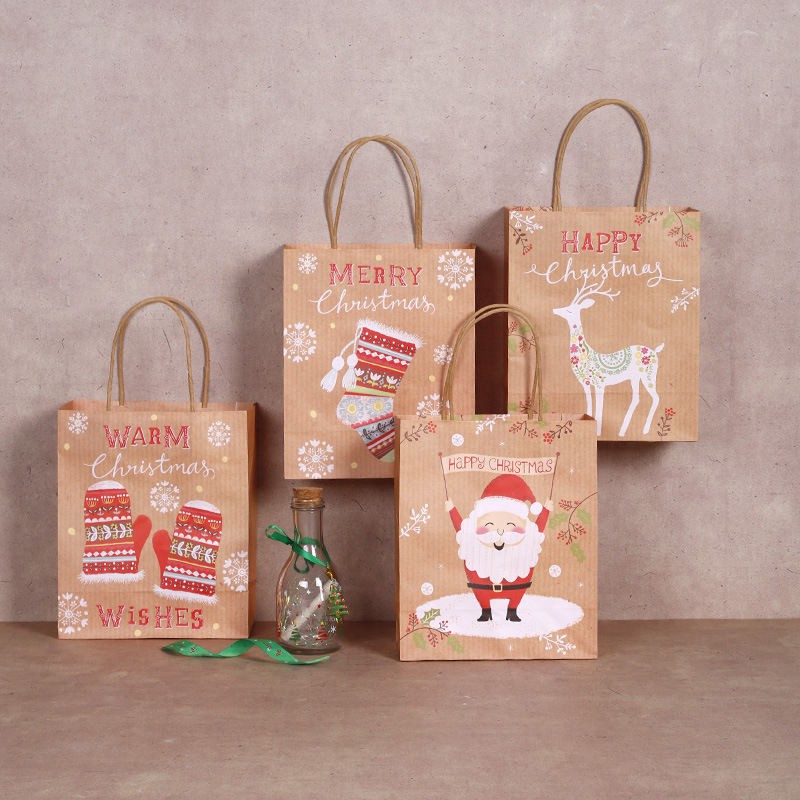
| Paper Bags | Shopping bags, courier bags, food bags | Retail, logistics, food packaging (e.g., coffee beans, grains) | Customizable zippers, tear notches, and barrier layers for moisture protection |
| Cartons/Cardboard | Corrugated boxes, heavy-duty cartons | Industrial transportation, e-commerce logistics | Multi-layer corrugated structure for load-bearing; FSC-certified eco-friendly materials |
| Cushioning Materials | Kraft bubble wrap, filling paper | Shockproof packaging for electronics, glassware | Honeycomb or bubble layer designs for enhanced cushioning |

3. Environmental Advantages and Sustainable Practices
Renewable Raw Materials:
Kraft paper primarily sources from fast - growing forests, such as pine and birch. FSC - certified enterprises are legally and morally bound to ensure that logging rates do not exceed tree regrowth rates. This sustainable sourcing model not only safeguards forest ecosystems but also maintains a stable supply chain. For instance, companies like Stora Enso have established long - term forest management plans, where they plant multiple trees for every one harvested. The reduction in plastic reliance is also significant. 1 ton of kraft paper cuts approximately 3 tons of CO₂ emissions compared to plastic bags of the same weight. This has spurred major retailers like Tesco and Walmart to gradually replace single - use plastic bags with kraft paper alternatives, contributing to a substantial decrease in overall carbon emissions across their supply chains.
Circular Economy Closure:
The high recycling rate of kraft paper, which exceeds 70% globally, is a testament to its circular economy potential. Recycled paper can be reused 5–7 times, minimizing the need for virgin materials. Many municipalities around the world have optimized their recycling infrastructure specifically for paper products, making it easier for consumers to participate in the recycling process. In terms of biodegradability, uncoated kraft paper fully decomposes in 3–6 months under composting conditions. This property makes it an ideal choice for food - related packaging. For example, food delivery services like Just Eat and Deliveroo are increasingly using kraft paper containers, which can be easily composted after use, reducing the burden on landfills.
Low - Carbon Production Processes:
Although the kraft pulping process is energy - intensive, modern advancements have mitigated its environmental impact. Black liquor recovery systems play a crucial role in this regard. These systems convert waste from the pulping process into valuable energy sources like methanol and biomass fuel. Some forward - thinking companies, such as Sappi, have even achieved "zero waste discharge" through these innovative technologies. Additionally, emerging technologies like bio - based adhesives, which replace petroleum - based glues, further reduce carbon footprints. These adhesives are derived from renewable resources like plant starches and natural resins. As more research and development go into these bio - based alternatives, the entire production process of kraft packaging is becoming increasingly sustainable, aligning perfectly with the goals of carbon neutrality.
4. The Value Reconstruction of Kraft Packaging in Brand Marketing
Kraft packaging has transcended functional roles to become a "third medium" for brand storytelling, helping enterprises build differentiated competitiveness:
Conveying a Sustainable Brand Image:
Case Study: Starbucks' 2020 "Plant Straw" kraft paper straws, paired with recyclable cups, strengthened its "green coffee" philosophy and boosted ESG scores by 12%. Beyond Starbucks, brands like Patagonia have integrated kraft packaging into their entire product line, using it not just as a container but as a statement of their commitment to environmental stewardship.
Design Strategies: Prominently labeling "FSC-certified" or "100% recyclable," or using illustrations of forest conservation to enhance consumer environmental awareness. Some companies even go a step further, incorporating QR codes on kraft packaging that link to videos or articles about their sustainable sourcing practices, creating an interactive experience for consumers.
Strengthening Emotional Connections:
Kraft paper's natural texture aligns with consumers' desire for simplicity, suitable for organic foods and artisanal products. For example, Japan's Muji uses plain kraft paper bags to embody "simple living." In the beauty industry, brands such as Lush have leveraged kraft packaging to convey a sense of authenticity and natural ingredients, appealing to consumers who prioritize ethical and sustainable consumption.
Customized creativity: Designing "unboxing surprises" (e.g., playful illustrations, eco-slogans) on kraft cartons enhances unboxing experiences and brand recall. Luxury brands are also jumping on the bandwagon, using high - end finishes on kraft packaging, like gold - foiled logos or embossed patterns, to create a sense of exclusivity while maintaining an eco - friendly image.
5. Technological Innovation Driving Kraft Packaging Upgrades
The industry is overcoming traditional limitations through materials science and smart technologies:
Functional Material Innovations:
Waterproof Kraft Paper: Nano-coating technology (e.g., silica coatings) creates a "lotus effect," repelling water for outdoor product packaging.
Antibacterial Kraft Paper: Incorporating natural agents like silver ions or tea polyphenols extends shelf life by 3–5 days for fresh food packaging.
Smart Integration:
RFID Tag Embedding: Radio-frequency identification chips in kraft cartons enable real-time logistics tracking, reducing warehouse management costs.
Thermosensitive Ink Printing: Temperature-sensitive inks display "best-by dates" to enhance food safety.
Balancing Lightweight and High Strength:
New micro-corrugation technology reduces board thickness to 1–3 mm, cutting weight by 30% while increasing compressive strength by 20%, suitable for precision packaging of electronics.
6. Global Kraft Packaging Market Status and Trends
Market Scale and Regional Characteristics:
The global kraft packaging market reached approximately $42 billion in 2023, projected to grow at a 6.8% CAGR to $66 billion by 2030.
Asia-Pacific is the growth engine: Emerging markets like China and India see demand surging by over 10% annually due to e-commerce and environmental policies; Japan and South Korea focus on premium designs (e.g., luxury kraft gift boxes).
Europe and America prioritize circular economy: Germany's "Pfandsystem" deposit scheme drives kraft paper bag recycling rates above 85%.
Future Trends:
Biobased Alternatives: "Biopackaging" made from mushroom mycelium or algae may partially replace traditional kraft paper for full biodegradability.
Personalized Customization: Digital printing (e.g., HP Indigo) reduces small-batch customization costs by 40%, catering to DTC brands' rapid iteration needs.
Cross-Industry Collaboration: The automotive industry is exploring kraft paper fiber for lightweight interior components, merging packaging and materials industries.


